

- NATURAL HERBS(150)
- SEEDS FOR SPROUTS BIO(6)
- COFFEE AND COCOA BIO(6)
- BIO SPICES(67)
- HERBAL FLAVOUR FOR ALCOHOL(1)
- LIQUID FLAVOUR FOR ALCOHOL(0)
- HERBS FOR BATH(6)
- TEA AND MIX herbal-FRUIT(83)
- SEEDS FOR HEALTH(9)
- ALGAE TO HEALTH(3)
- SWEETENERS AND NATURALS SUGARS(6)
- VITAMINS AND MINERALS(23)
- OIL NATURAL BEAUTY(27)
- OIL NATURAL FOOD(10)
- LOOSE NATURAL DIETARY SUPPLEMENTS(30)
- HONEY AND POLLEN(14)
- HIMALAYAN SALT(4)
- NATURAL SYRUPS FROM FRUIT AND HERBS(4)
- COSMETICS NATURAL HEALTH AND MEDICAL(121)
- FLOUR NATURAL BIO(1)
- DIETARY SUPPLEMENTS IN TABLETS NATURAL(39)
- SYRUPS AND DROPS NATURAL(14)
- NUTS WASHING NATURAL(0)
- CANDLES HOPI, conch SLICES AND CLEANSING(5)
- TOOTHPASTE AND MOUTHWASH NATURAL(8)
- PLATINUM,GOLD,SILVER ,COCOOPER,COLLOIDAL(11)
- AROMOTHERAPY NATURAL OILS AND SMELL(34)
- NATURAL PAINT FOR HAIR(0)
- NATURAL HERBS CAPSULES AND TABLETS(0)
- HERBAL MIXTURES FOR VARIOUS CONDITION(27)
- PRODUCTS WITHOUT SLS, SLES, PEG, parabens !!!!!!!(77)
- NATURAL CLEANING NO CHEMISTRY !!!!!(0)
- NATURAL WATER FILTER(1)
- MEDICAL PRODUCTS mustard(5)
- YERBA MATE 100% ECO(1)
- EXTRACTS AND EXTRACTS OF NATURAL HERBS(19)
- Natural WINERY YEAST(0)
- ECOLOGICAL FOOD PRODUCTS(3)
- cbd hemp(0)
- pudding/Bydyń / jelly / baking powder(0)
- ECOLOGICAL HANDMADE PRODUCTS(4)
- EYE DROPS(1)
- NATURAL WATER FILTER(0)
- 100% NATURAL JUICES FRUIT AND HERBS(9)
- New products
- Products on sale
Chicory Inulin prebiotic natural 300g
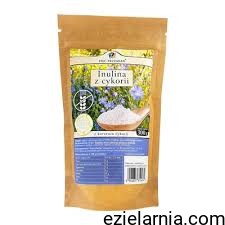
Description
Inulin is a natural probiotic - stimulates the growth of probiotic bacteria that have a number of beneficial effects in our body. Scientific research confirms that inulin: - effectively increases the amount of friendly intestinal flora - supports the processes of metabolism of carbohydrates and fats - supports the prevention of cancer - supports the immune system and enzyme - increases the absorption of essential minerals - as a replacement for sugar and fat, lower calorific value many dishes, while improving their appearance and taste.
Eating 15-20g (3-4 teaspoons) per day of inulin fully cover the demand for soluble fiber.
Inulin is primarily a prebiotic. This means that an excellent medium for beneficial intestinal bacteria. These bacteria are essential to the proper functioning of the whole organism, not without reason, they are known as "probiotics" (from the Greek - "life support"). And here are their most important functions: protect our intestine against infections caused by pathogenic microorganisms (eg. Bacterial putrefaction), lowering the pH of the intestine, m. Al. with lactic acid and producing natural antibiotics - acting also against fungi and viruses. Beneficial effect on the immune system of the intestine, the flow rate of blood through the mucosa or the local action of the nervous system. By affecting the metabolism of cholesterol as a precursor to sex hormones to prevent their deficits. Further benefits of the substances secreted by the beneficial bacteria is to protect against cancer or inflammation of the colon, increasing the absorption of such key micronutrients such as calcium, magnesium, zinc and iron, which means increased protection against osteoporosis. Probiotic bacteria also help in removing radioactive strontium from our body and neutralize a large part of the toxins food (making our liver is less loaded). Also affect a reduction in nitrogen excretion by the kidney, and reduce ammonia production in the gut. A further advantage is produced by the bacteria short chain fatty acids, such as acetic acid or propionic acid. In addition to covering the intestinal mucosa affect the metabolism of glucose, lowering blood glucose levels, as well as lipid metabolism - with the same result. They are also growth regulator and the main energy source for epithelial cells of the colon.

